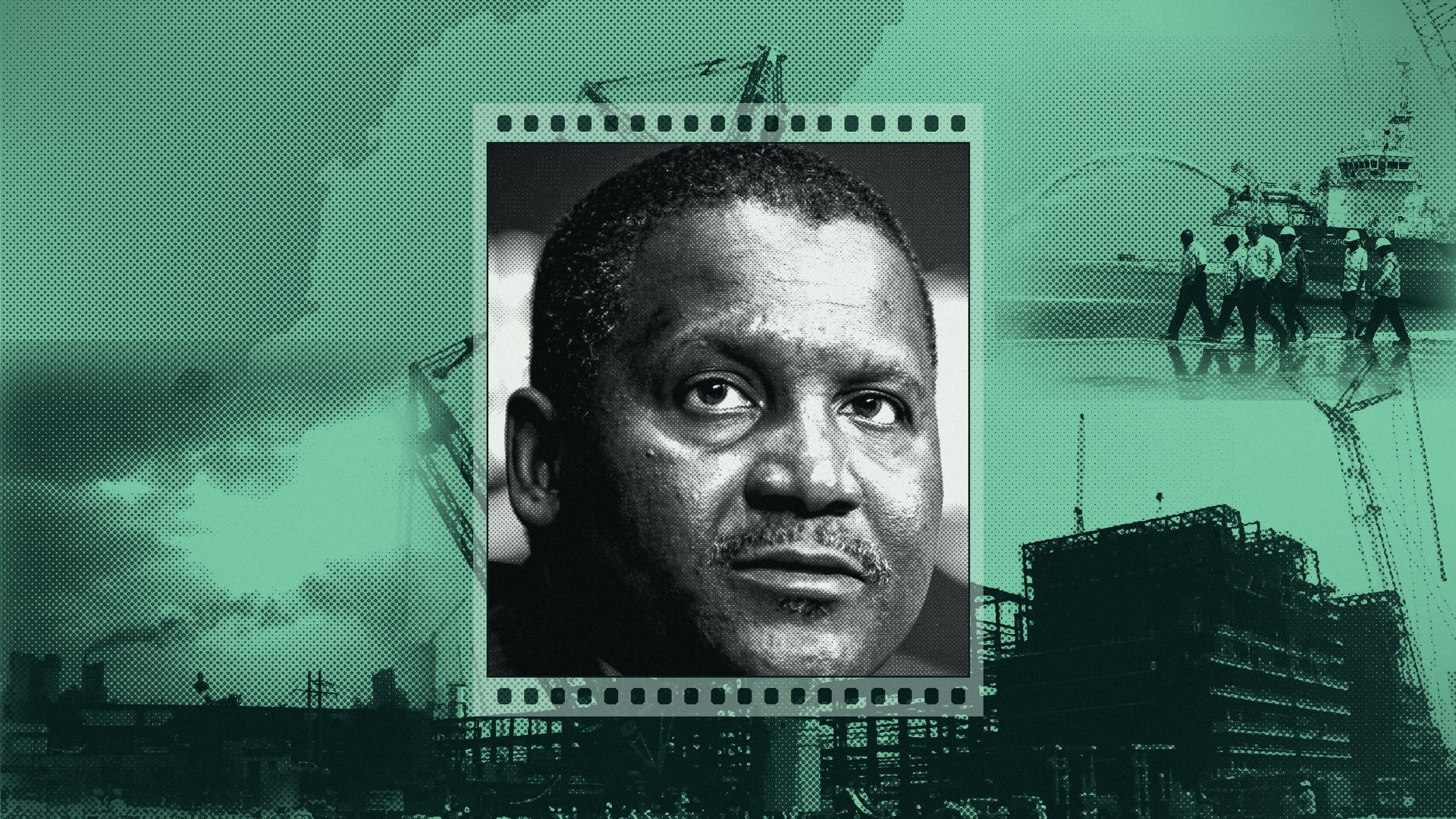
In 1977, a 20-year-old from Kano borrowed about ₦500,000 from his uncle to trade basic commodities. Nearly five decades later, the business he founded produces cement across ten African countries and runs one of the largest oil refineries in the world. Aliko Dangote’s story is often told as a tale of personal drive. It is more useful as a case study in a specific strategy: learn a market by trading in it, then capture more of its value by producing what you used to buy.
Starting where the demand was
Dangote was born in April 1957 in Kano into a family of wealthy Muslim merchants; his maternal grandfather, Sanusi Dantata, built a groundnut trading fortune. After studying business at Al-Azhar University in Cairo, Dangote used his uncle’s loan to trade basic foods such as sugar and cooking oil. He founded the business that became Dangote Industries in 1981 and, over the following decade, moved into importing bulk commodities, including cement, which the group bagged for distribution.
Trading taught him things a factory owner might never learn. He saw which goods Nigerians bought in volume regardless of the economic cycle, where supply broke down, how distribution worked across a vast country, and how much of the final price went to foreign producers and shippers. Nigeria imported much of what it consumed, including most of its cement.
The shift: from importing to making
The question that shaped the next phase was simple: why was Nigeria importing goods it could produce itself? Through the 1990s, according to Dangote Cement’s own history, the group made a strategic decision to move from trading into fully integrated manufacturing. In 2000 it bought the Benue Cement Company from the federal government during privatisation, reviving a plant that Reuters described as defunct.
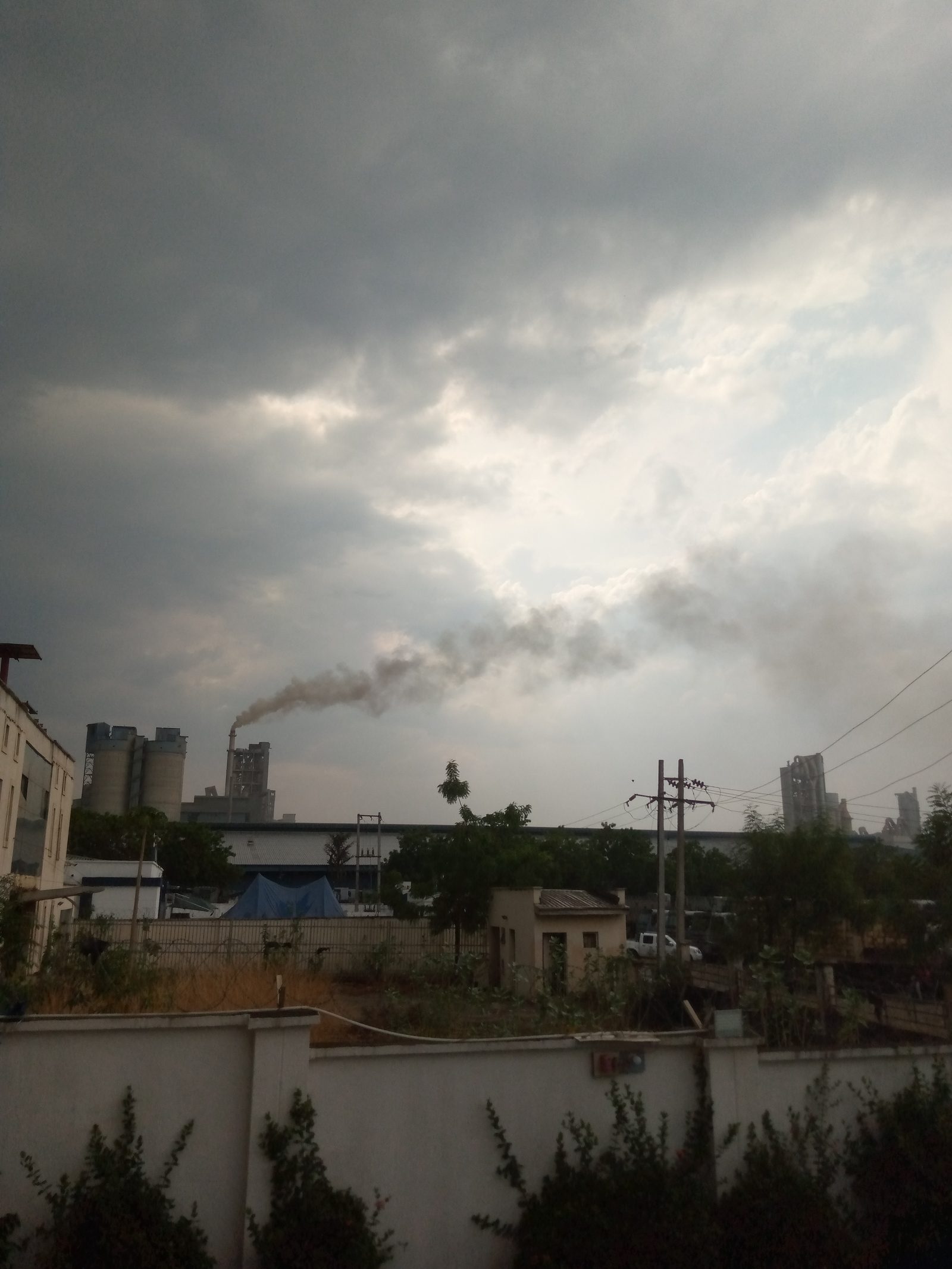
Cement became the defining bet. In 2002, Nigeria’s government introduced a backward integration policy that encouraged cement importers to build local production capacity, backed by restrictions on imports. The same year, Dangote Industries acquired Obajana Cement from the Kogi State government, at a point when no factory yet existed. Construction began in 2004, and the plant was commissioned in 2007 with a capacity of 5 million tonnes a year, at the time the largest cement plant in sub-Saharan Africa.
Owning the chain
“Backward integration” means a business takes control of earlier steps in its supply chain. For Dangote Cement, that meant owning limestone deposits, kilns, power generation and, eventually, its own fleet of trucks. Each step reduced dependence on suppliers and kept more margin within the group. Nigeria went from importing most of its cement in the early 2000s to becoming broadly self-sufficient and then exporting, with Dangote as the leading producer. The company then expanded across Africa, from Senegal to Ethiopia and South Africa, reaching 52 million tonnes of annual capacity in ten countries by 2024.
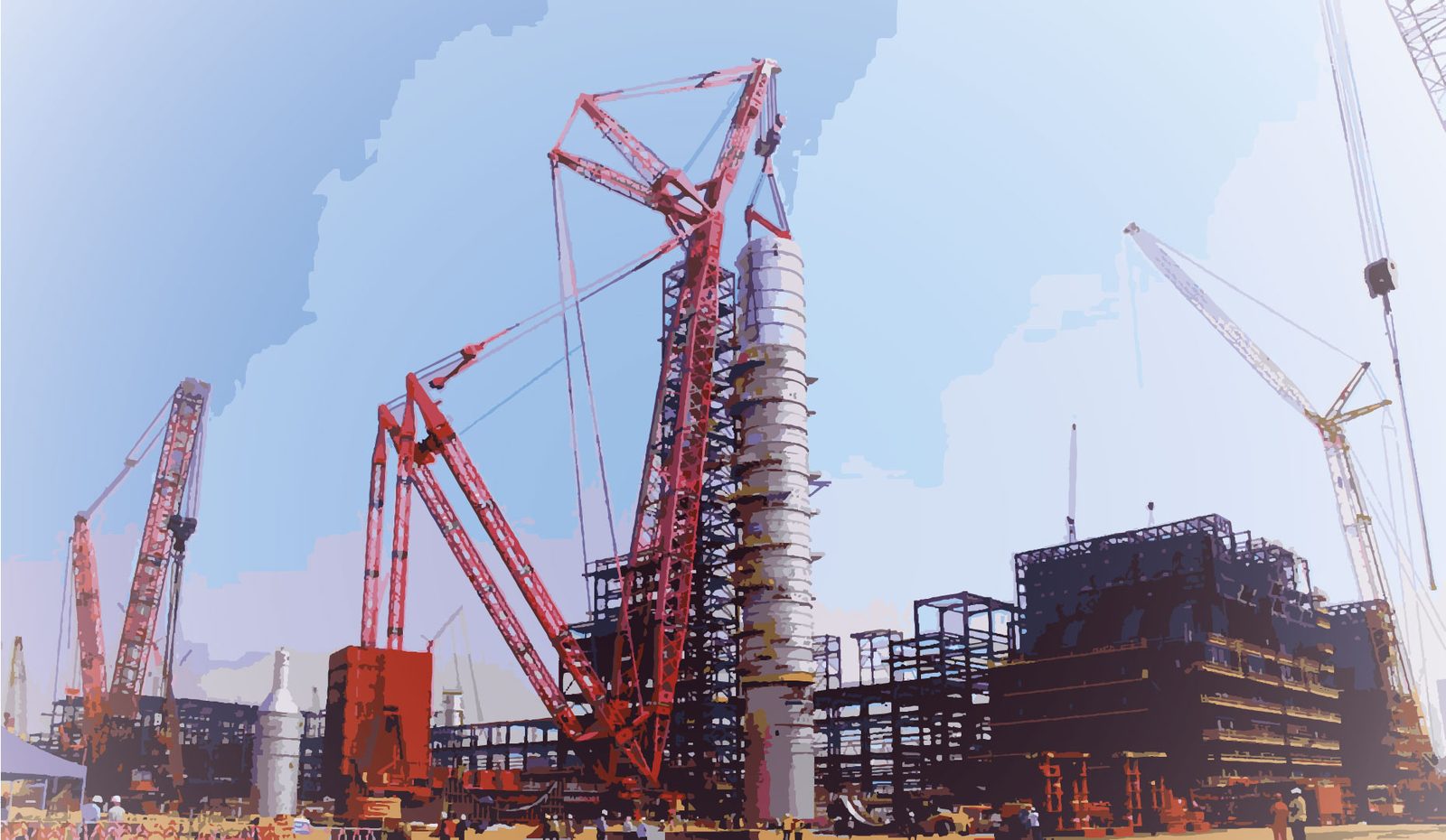
The refinery is the same logic applied at far greater scale. Nigeria is one of Africa’s largest crude oil producers but for decades imported most of its refined fuel. The Dangote refinery near Lagos, built at a cost of around US$20 billion with capacity of 650,000 barrels a day, began production in January 2024. It is designed to refine domestically what the country used to export as crude and buy back as petrol and diesel.
The other side of the ledger
An honest account has to include the criticisms. Dangote’s companies grew in markets shaped by government policy, including import restrictions and incentives that favoured local producers. Researchers writing in The Conversation have argued that while backward integration made Nigeria the largest cement producer in sub-Saharan Africa, it produced a few “islands of efficiency” rather than broad structural change, partly because policy did little to grow domestic demand. Critics have also questioned the closeness of large conglomerates to political power.
The refinery shows the risks of operating at this scale. It has had to work to secure enough crude supply, including from abroad, and has been involved in disputes with regulators and fuel importers. Huge, concentrated investments can transform a market, but they also concentrate exposure to policy changes, currency swings and execution problems.
A strategy, not a template
Few people will build a refinery. But the underlying pattern of Dangote’s career is accessible at much smaller scale: start close to the customer, learn the market from the inside, and then move toward producing what you used to resell. It is the same move made by the trader who opens a small packaging line, the importer who starts local assembly, or the distributor who builds a brand.
Practical takeaways
- Trade first to learn. Buying and selling a product teaches you demand, pricing and logistics with less capital than manufacturing requires.
- Follow the margin up the chain. Ask where the value goes between the raw material and the customer, and which step you could own next.
- Choose essentials. Goods people buy in every economic cycle (food, building materials, energy) give steadier demand than fashions.
- Price in policy risk. Businesses that depend on tariffs, licences or incentives can be helped or hurt overnight. Build plans that survive a change of rules.
Sources
- Reuters, Special Report: In Nigeria, a concrete get-rich scheme, Tim Cocks, 2012.
- BusinessDay, Dangote’s long road to London, June 2024.
- Dangote Cement, Our history and Annual Report 2023.
- Reuters, Nigeria’s Dangote refinery starts production after years of delays, 13 January 2024.
- Reuters, TotalEnergies strikes supply deal with Dangote on Nigerian refinery, May 2024.
- The Conversation, Industrial policy paved the way for Dangote’s empire. Why it didn’t deliver for all Nigerians, 2021.
This article is general information and education, not financial, legal, tax or investment advice. Figures are taken from the sources listed and may since have changed. Past outcomes for any person, company or country do not guarantee future results. Consider your own circumstances and seek advice from an appropriately authorised professional before making financial decisions.