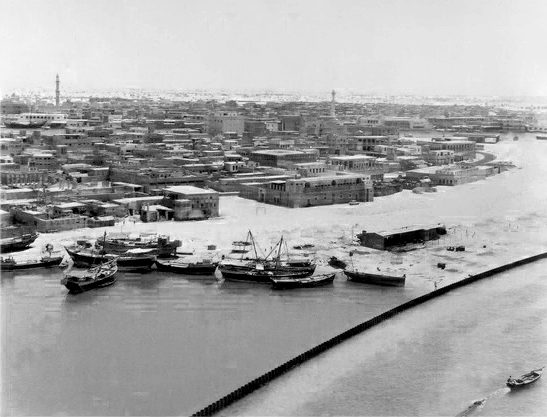
In the 1950s, Dubai’s economy depended on a single natural asset: a saltwater creek where wooden dhows loaded and unloaded goods traded between the Gulf, the Indian subcontinent and East Africa. The creek was silting up, and larger ships could no longer enter. Dubai had no oil revenue at the time. What its rulers did next, and repeated at larger scale for decades, shows how infrastructure and rules can be designed to create wealth for thousands of businesses at once.
Borrowing to keep the door open
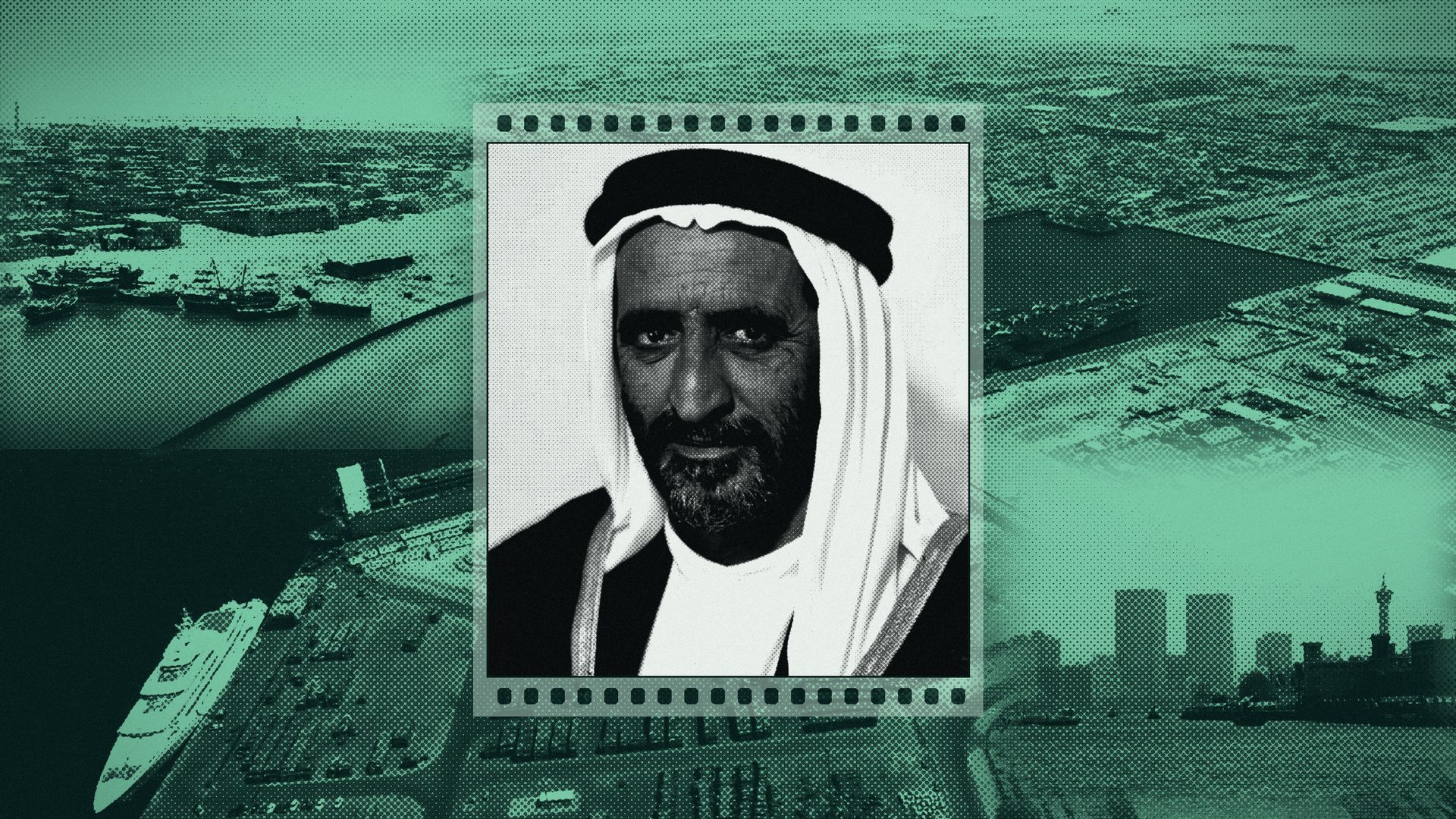
A 1955 study by the British engineering firm Sir William Halcrow & Partners, modestly titled “Dubai harbour: report on proposed improvements”, set out how the creek could be saved. The question was how to pay for it. Sheikh Rashid bin Saeed Al Maktoum, then effectively running the emirate on behalf of his father, raised money from local merchants and a bank, and later a loan from Kuwait. Gulf News reports that the Dubai Creek Dredging Fund was set up with £200,000 from a bank in Dubai and £400,000 borrowed from Kuwait. Dredging began in 1959.
The bet was simple: if ships could keep reaching Dubai, the trade that sustained the town would continue and grow. It did. When oil was found offshore in 1966, Dubai used part of the revenue to keep building trade infrastructure rather than replacing trade with oil. Port Rashid opened in 1972.
A port built ahead of demand
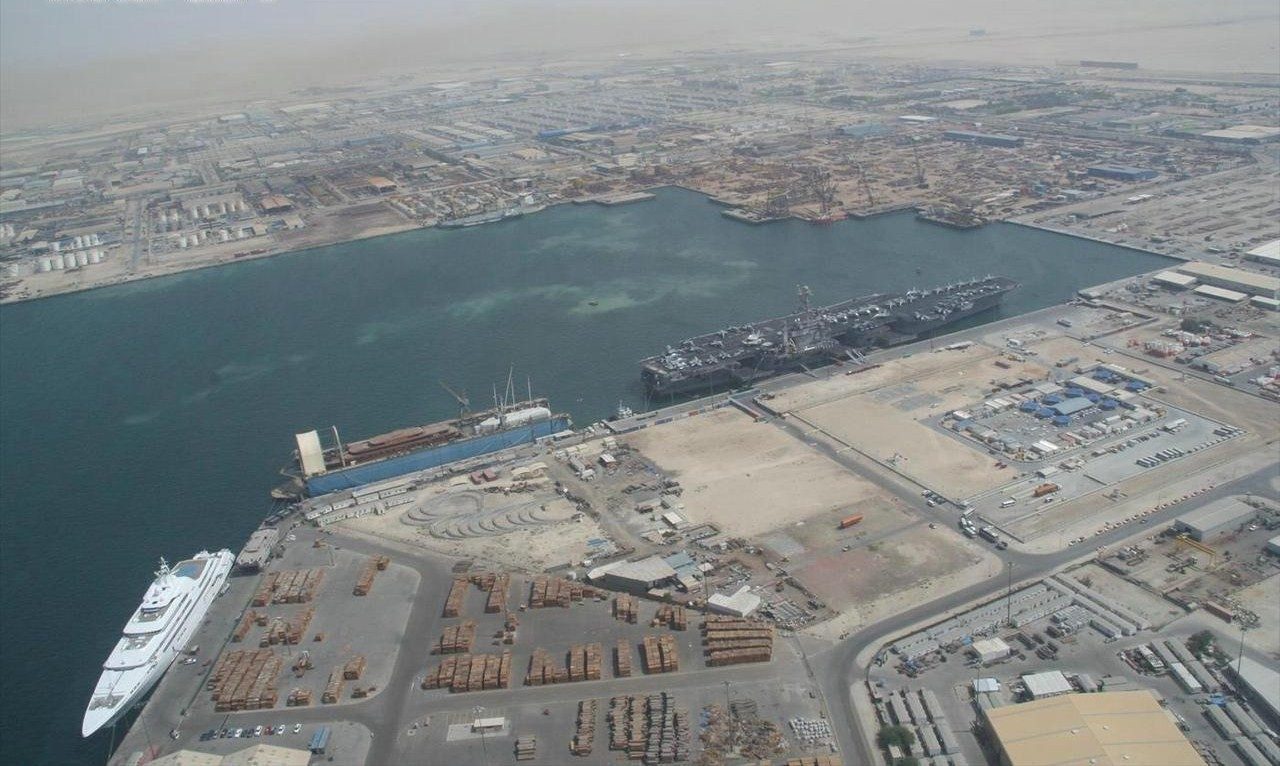
By the mid-1970s, Port Rashid was already congested, and Sheikh Rashid, by then Ruler, decided to build a far larger port at Jebel Ali, about 40 kilometres from the city centre. It was built between 1976 and 1979 and inaugurated by Queen Elizabeth II on 26 February 1979. With 67 berths it was the largest man-made harbour in the world at the time.
Many observers thought it was a mistake. Port Technology International recalls that the project was widely seen as adventurous and unnecessary, and some worried it would simply take business from Port Rashid. Dubai’s leaders were building for the trade they expected, not the trade they had.
The free zone: changing the rules, not just the concrete
A port alone does not attract businesses. A 1980 law provided for a free zone at Jebel Ali, and in 1985 Dubai established the Jebel Ali Free Zone, or Jafza, next to the port. It opened with 19 companies. The proposition was a different set of rules: foreign companies could own their business outright, rather than needing a local partner, import and re-export goods without customs duties inside the zone, and repatriate their capital and profits.
In effect, Dubai reduced the friction of doing business for one specific activity, trading through the Gulf, and placed that low-friction zone next to the infrastructure that activity needed. The same year, Emirates airline was launched, extending the logic from sea to air.
Jafza now reports more than 11,000 businesses from 157 countries, including more than 100 of the Fortune Global 500. Its non-oil trade reached AED 713 billion in 2024, according to figures released for its 40th anniversary. Those figures come from Jafza itself, but even allowing for promotional framing, the scale is clear: a port many doubted became the anchor of one of the world’s major trading hubs.
Why it worked
Several features stand out. Investment was patient and sequenced: creek, then Port Rashid, then Jebel Ali, then the free zone, airline and airport. Each piece made the others more valuable. Rules were designed for a specific user, the trading company, rather than for the economy in general. And Dubai kept a consistent identity as an open trading city, building on its long role in the dhow trade with India and East Africa.
There are limits to the lesson. Dubai benefited from its location, from oil income in the 1970s and 1980s, from regional instability that pushed business towards it, and from a political system able to commit to very long projects. Few places can copy it directly.
The opportunity for Africans in the Gulf
Trade between Africa and the Gulf is growing, and Dubai remains a key route for goods moving between Asia and African markets. Many Africans in the UAE already work in logistics, trading and finance. The free-zone model also offers a practical route to owning a business: free zones allow full foreign ownership, though each has its own licence types, costs and permitted activities, and trading with the UAE mainland can require additional arrangements.
Practical takeaways
- Position yourself on a flow. Wealth tends to gather where goods, money or people move. Ask which flow you are already close to, for example between your home country and the Gulf.
- Build capacity just ahead of demand. Skills, certifications and relationships take years to build. Invest in them before the opportunity is obvious.
- Understand the rules of your structure. If you set up a company, compare free-zone and mainland options carefully and confirm details directly with the relevant authority and a qualified adviser.
- Sequence your investments. Like Dubai, make each step support the next: an income, then savings, then a business or asset that compounds.
Sources
- The National, Dubai Creek: the making of Sheikh Rashid’s first mega project, 2019.
- Gulf News, Past meets present at the Dubai Creek.
- Gulf News, History of the UAE: Jebel Ali Port completes 40 years, 2019.
- The National, The day Queen Elizabeth II opened Jebel Ali Port in Dubai, 2022.
- Port Technology International, Jebel Ali Port: Dubai’s gateway.
- Jebel Ali Free Zone, About Jafza; DP World, Jafza turns 40 with record $190bn in trade, May 2025.
- Gulf Business, Jafza marks 40 years, reports Dhs713bn in non-oil trade in 2024, May 2025.
- K. R. Nuttall, Boxing Clever: Infrastructure, Innovation and Institutions in the Distinctive Rise of Dubai, PhD thesis, University of East Anglia, 2020.
This article is general information and education, not financial, legal, tax or investment advice. Figures are taken from the sources listed and may since have changed. Past outcomes for any person, company or country do not guarantee future results. Consider your own circumstances and seek advice from an appropriately authorised professional before making financial decisions.