In the year to March 2025, Kenyans moved KShs 38.29 trillion through M-Pesa, and nearly 36 million people used it in a typical month. Almost two decades earlier it began as a pilot with around 500 customers and a plan to do something quite different. How M-Pesa got from one to the other is one of the clearest examples of a system that created wealth by removing friction from ordinary lives.
A grant, a hypothesis and a pilot that went off-script
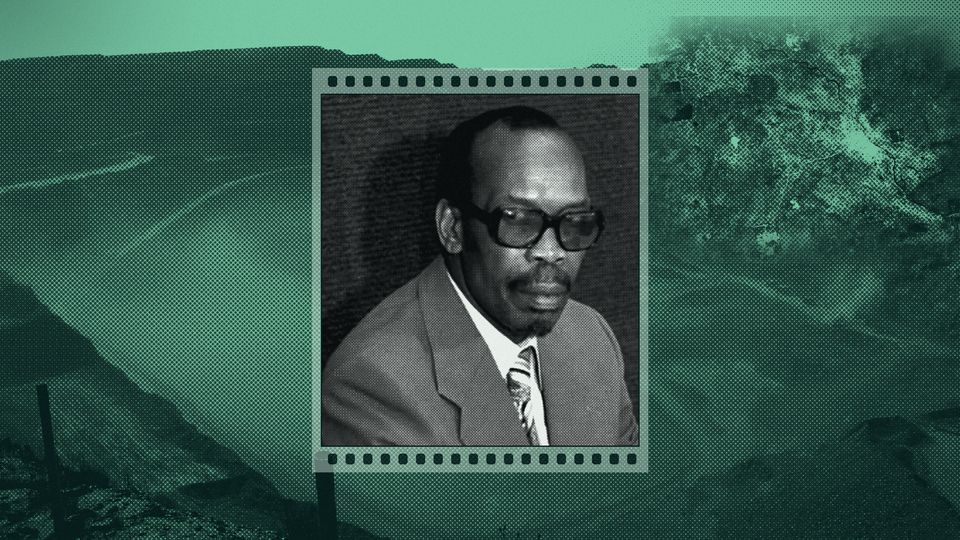
The idea dates back to 2003, when Nick Hughes, then head of social enterprise at Vodafone, proposed using mobile phones to deliver financial services to people without bank accounts. The proposal won around £1 million from the UK Department for International Development’s challenge fund, which was looking for businesses willing to deepen financial inclusion in Africa. Susie Lonie, who had a background in mobile commerce, joined to lead the pilot, and the team worked with Safaricom, Vodafone’s Kenyan affiliate.
The original plan was to let microfinance borrowers repay loans by phone. A pilot began in October 2005 in Nairobi and Thika, north of the capital, with a small group of customers and, eventually, 15 agent stores. Then something unexpected happened. As Safaricom’s chief executive at the time, Michael Joseph, later recalled, people who received loans were sending the money on to relatives hundreds of miles away.
The team had stumbled on one of Kenya’s biggest financial problems. Breadwinners worked in the cities while families stayed in rural areas, and sending money home meant travelling for days or trusting cash to a bus driver. Banks were scarce outside the towns and expensive when they existed.
Redesigning around the real need
Rather than defend the original idea, the team rebuilt the product around sending money from one phone to another. On 6 March 2007, Safaricom launched M-Pesa nationally (“M” for mobile, pesa for money in Swahili). A month later it had 19,671 active users. By November that year it had more than a million.
The real innovation was distribution
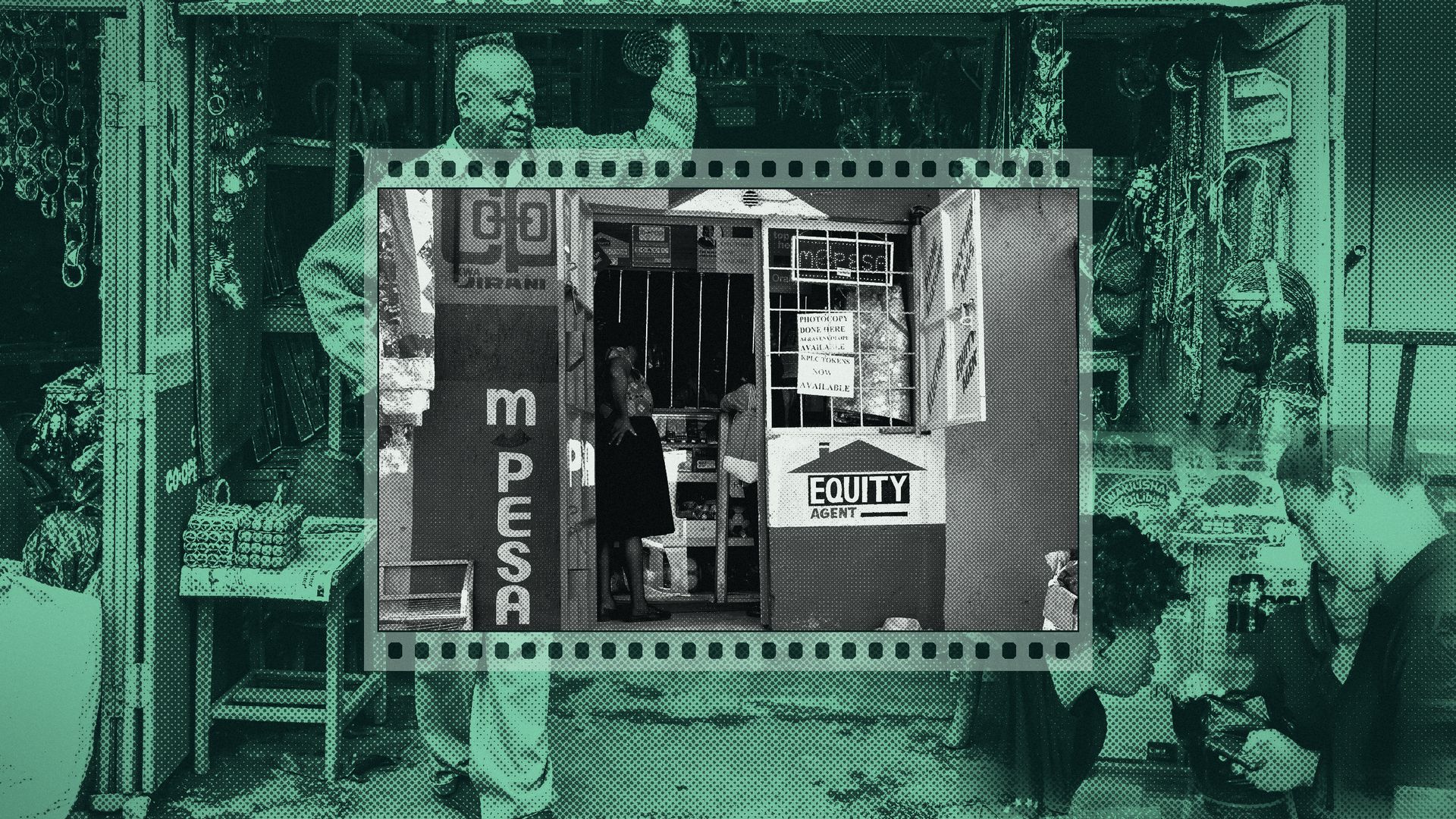
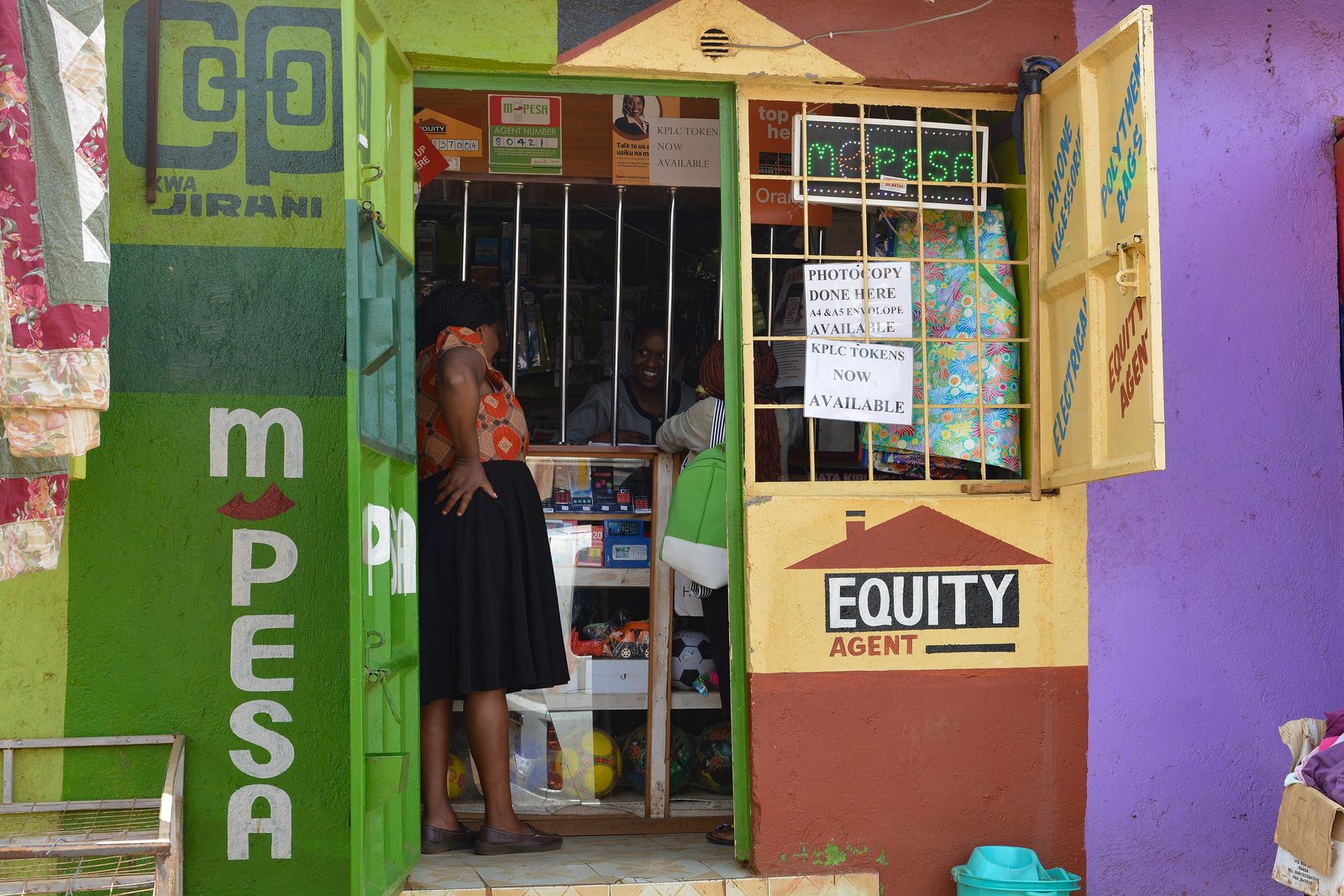
Technology made M-Pesa possible, but agents made it work. Safaricom recruited airtime dealers and small shopkeepers who could turn cash into electronic value and back again. Each agent earned commission, so the network grew wherever there was demand, and people receiving money in a village could cash it out at a nearby shop.
Researchers Ignacio Mas and Dan Radcliffe, writing for the Gates Foundation in 2010, attributed M-Pesa’s rapid growth to three things working together: conditions in Kenya that suited mobile money, a simple service that captured network effects early, and execution focused on reaching critical mass quickly so that both customers and agents found it worth joining. By then, M-Pesa had 9 million customers, about 40 per cent of Kenya’s adults.
They also credited the Central Bank of Kenya. Its payments team allowed the service to launch and watched how it developed, rather than blocking a phone company from doing something that looked like banking.
Did it make people better off?
The most cited evidence comes from economists Tavneet Suri of MIT and William Jack of Georgetown, who followed Kenyan households from 2008 to 2014. Writing in Science in 2016, they estimated that access to M-Pesa increased per-capita consumption and lifted 194,000 households, about 2 per cent of Kenyan households, out of extreme poverty.
The gains were larger for households headed by women, and the mechanism was not simply convenience. Households with easy access to M-Pesa saved more and coped better with shocks such as illness or a failed harvest, because relatives could send help quickly. Women in particular moved out of farming and into business.
From payments to an economy
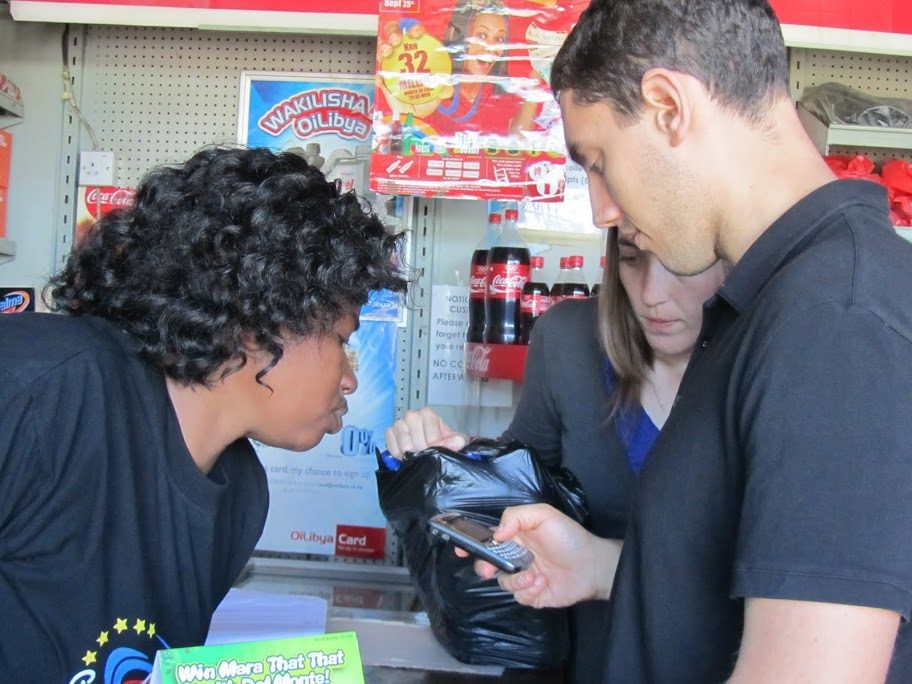
Once money could move cheaply, other services followed. Merchants accept payments through Lipa na M-Pesa, which had nearly 676,000 active merchants in the year to March 2025. Small traders use business wallets. Savings and credit products run on top of the same rails. M-Pesa’s revenue reached KShs 161.1 billion in the year to March 2025.
Each layer created income for someone: the agent earning commission, the shop that no longer handles as much cash, the developer building on the platform, and the household that can now save a little each week without a bank branch nearby.
What M-Pesa teaches about building wealth
M-Pesa is usually told as a technology story. It is better understood as a lesson in listening. The founders had a plan, observed customers doing something else, and followed the customers. They also understood that a financial system is only as useful as its weakest point of access, and invested in thousands of human access points rather than a few impressive ones.
Practical takeaways
- Watch what people do, not what they say. The best business ideas often hide in workarounds: the bus driver carrying cash, the WhatsApp group running a savings pot.
- Distribution is a wealth engine. Agents built real businesses by being the trusted local point of a larger network. Look for networks you can serve.
- Lower the cost of saving. Small, frequent, automatic transfers into a separate account matter more than finding the perfect product.
- Remittances can build, not just support. If you send money home, consider dedicating part of it to an asset or a business with clear records, not only consumption.
Sources
- Safaricom PLC, Condensed audited results for the year ended 31 March 2025.
- Safaricom Newsroom, The M-PESA wonder: how it all began, 2017.
- Vodafone, M-Pesa: creating the leading mobile money service, Michael Joseph, 2017.
- Leaders League, Susie Lonie (M-PESA): “I knew it was going to be big”, 2015.
- Ignacio Mas and Dan Radcliffe, Mobile Payments go Viral: M-PESA in Kenya, 2010.
- Tavneet Suri and William Jack, The long-run poverty and gender impacts of mobile money, Science 354 (6317), 2016.
- MIT News, Study: Mobile-money services lift Kenyans out of poverty, 2016.
This article is general information and education, not financial, legal, tax or investment advice. Figures are taken from the sources listed and may since have changed. Past outcomes for any person, company or country do not guarantee future results. Consider your own circumstances and seek advice from an appropriately authorised professional before making financial decisions.