
Every month, in living rooms, church halls and WhatsApp groups across South Africa, people who know each other by name hand over a fixed amount of money to a common pot. There is no bank manager and no interest-rate sheet. Yet by the estimate of the National Stokvel Association of South Africa (NASASA), these clubs gather around R50 billion a year from more than 11 million members in some 800,000 groups. This is the story of a savings system built on trust, and why it has outlasted almost every product designed to replace it.
From cattle fairs to a national habit
The word stokvel is usually traced to the “stock fairs” of the early nineteenth century: rotating cattle auctions held by English settlers in the Eastern Cape. Farmers and labourers gathered there to trade, socialise and sometimes pool money to buy livestock. Over time the gatherings moved into Black communities and lost their link to cattle, but the core idea stayed: meet regularly, contribute together, and take turns to benefit.
A second root runs through the gold mines. Migrant workers who came to the Transvaal faced dangerous conditions and the high cost of a proper funeral, which mattered deeply in a tradition where death reunites people with their ancestors. Burial societies, in which members pay a small regular amount so that no family faces a funeral alone, became one of the earliest and most enduring forms of the stokvel.
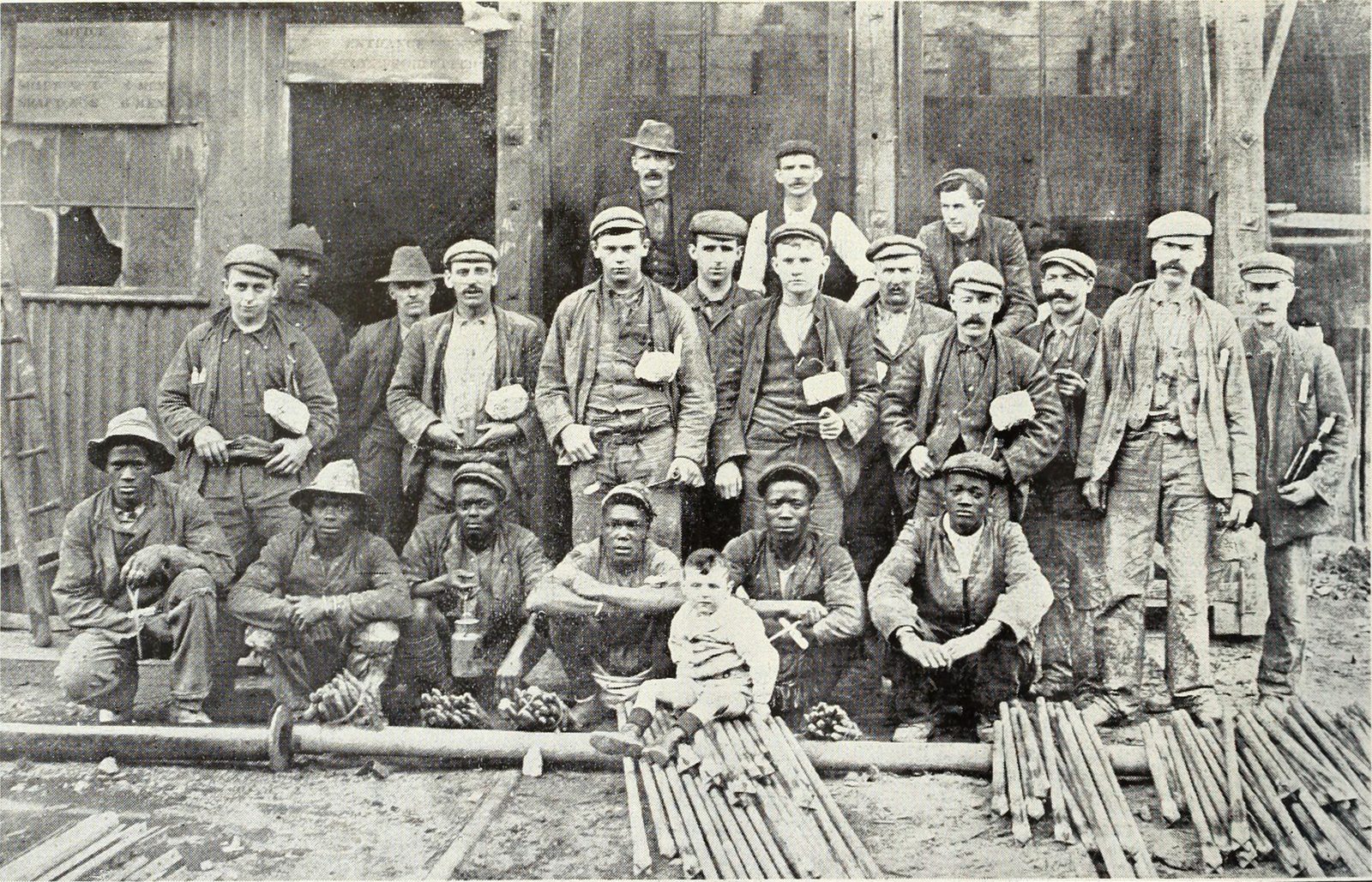
Under apartheid, most Black South Africans were shut out of formal banking. Stokvels filled the gap. They were savings accounts, insurance, credit and social clubs at once, run by members for members.
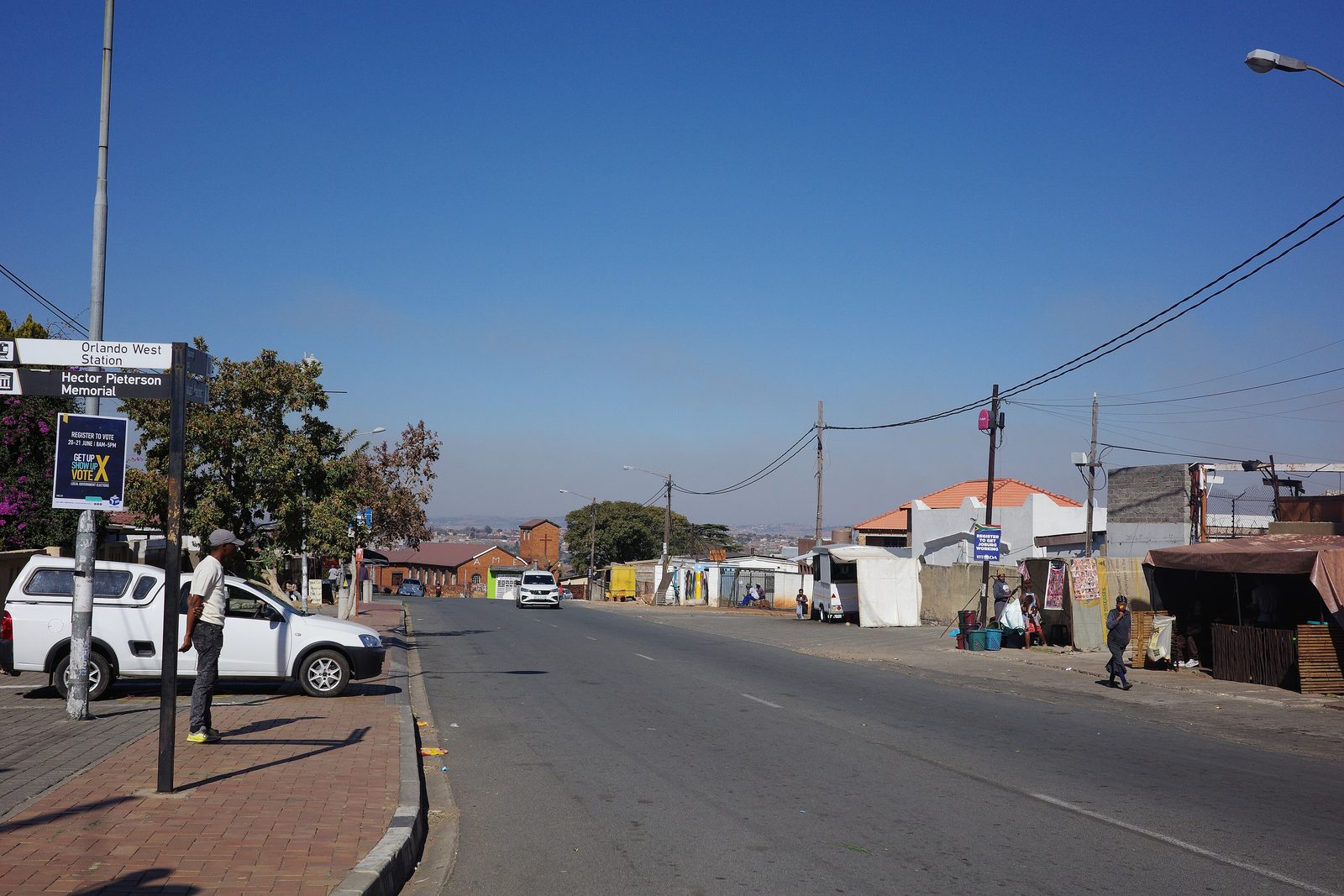
How a stokvel actually works
At its simplest, a stokvel is a group of people who agree to contribute a fixed amount to a common pool weekly, fortnightly or monthly, drawn according to the group’s own rules. Within that simple frame, several models have grown up:
- Rotating stokvels. Each member receives the full pot in turn. For the person paid early, it works like an interest-free loan; for the person paid last, it works like a disciplined savings plan.
- Grocery stokvels. Members save all year and buy food in bulk together in December, often negotiating discounts with retailers.
- Burial societies. Regular contributions fund funerals and practical support for bereaved families.
- Investment stokvels. Members pool money to buy assets such as property, shares or a shared business, and hold them over years rather than paying everything out at year-end.
Many groups combine these functions, and many allow members to borrow from the pool for emergencies such as school fees.
Why it works when willpower does not
Behavioural economists would recognise a stokvel as a commitment device. Saving alone depends on remembering, resisting and repeating, every single month. A stokvel turns that private struggle into a public promise. Missing a contribution means letting down people you will see at church on Sunday.
Three design features do most of the work:
- Membership is by invitation. NASASA’s framework requires that members personally know each other. Social ties replace credit checks.
- Rules are written down. Each group should have a constitution that sets out contributions, payouts, penalties and how disputes are settled.
- The money is visible. Records are kept and, increasingly, funds sit in a dedicated bank account that several members can see.
From informal club to recognised institution
South African law now makes room for stokvels rather than treating them as unlicensed banks. A 2014 notice under the Banks Act designates the activities of a stokvel, defined as a rotating credit scheme with social and economic functions whose members have pledged mutual support, as not being “the business of a bank”, provided the group belongs to an approved self-regulatory body. NASASA is recognised by the South African Reserve Bank as such a body and works alongside the Prudential Authority, the Financial Sector Conduct Authority and the Financial Intelligence Centre.
Banks have followed the money. Most large South African banks now offer dedicated stokvel accounts, and a growing number of groups are moving beyond end-of-year payouts towards long-term investing.
The limits, honestly stated
A stokvel is only as strong as its members and its rules. Money kept in cash can be lost or stolen. A treasurer can disappear. Rotating groups carry an inherent risk for those paid last if others stop contributing after receiving their turn. And the trusted word “stokvel” is sometimes borrowed by schemes that promise returns, which is exactly the kind of activity NASASA warns against. A savings club pays out what members put in. An offer that promises growth for recruiting others is something else.
What this means for Africans building wealth abroad
The stokvel is not uniquely South African. The same idea runs through the esusu and ajo of Nigeria, the susu of Ghana, the chama of Kenya and the tontine of francophone Africa. Many Africans in the Gulf already belong to one. The opportunity is to keep the discipline of the circle while upgrading the plumbing.
Practical takeaways
- Write a constitution before the first contribution. Agree amounts, dates, payout order, what happens if someone stops paying, and how the group closes.
- Keep the money in a bank, not a tin. Use an account that requires more than one signatory and share statements with every member.
- Separate saving from investing. A rotating pot is excellent for building an emergency fund or a deposit. Investing together needs clearer ownership records and, where relevant, licensed advice.
- Be wary of “stokvels” that promise returns. If the payout depends on new members joining, walk away.
Sources
- National Stokvel Association of South Africa, NASASA Self-Regulatory Organisation and Stokvel regulatory framework.
- Standard Bank, Joining a stokvel.
- Ipsos South Africa, Stokvels remain the untapped ‘human banks’ of South Africa, March 2024.
- DGRV Southern Africa, The Stokvel Sector: Opportunities and Challenges.
- University of Cape Town, Stokvels: more than just a savings scheme, 2003.
- South African Reserve Bank, Designation of an activity not falling within the meaning of “the business of a bank”, Notice 620 of 2014.
- Mail & Guardian, Jargon buster: Stokvel, 2010.
This article is general information and education, not financial, legal, tax or investment advice. Figures are taken from the sources listed and may since have changed. Past outcomes for any person, company or country do not guarantee future results. Consider your own circumstances and seek advice from an appropriately authorised professional before making financial decisions.